Living in SpainExplainer
NIE or TIE: which do foreigners in Spain need?
The NIE is a foreigner's identification number in Spain; the TIE is the residence card for non-EU nationals staying over six months. Who needs which, and how.
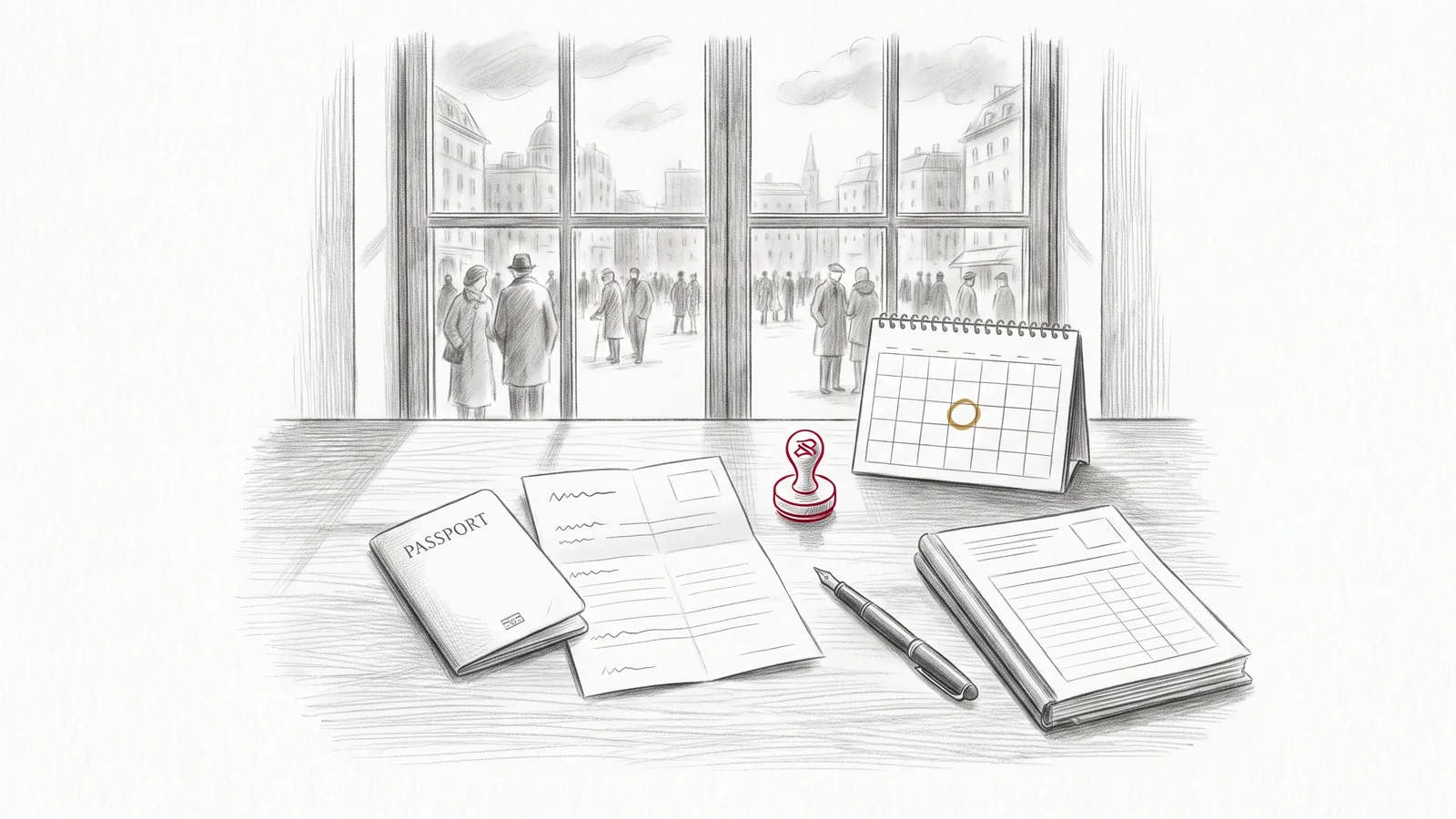
Foreigners who buy property, open a business or settle in Spain soon meet two acronyms: the NIE and the TIE. The NIE (número de identidad de extranjero, foreigner identity number) is a personal identification number. The TIE (tarjeta de identidad de extranjero, foreigner identity card) is a physical card that proves a non-EU national’s legal situation in Spain. Both are governed by the immigration regulation approved by Real Decreto 1155/2024, which has been in force since 20 May 2025.
The short answer
You need an NIE for almost any economic, professional or social dealing with Spain, such as buying a home, investing or working. Non-EU nationals with a visa or permit for more than six months must also get a TIE within a month. EU citizens staying longer than three months register and receive a registration certificate that shows their NIE.
What the NIE is
Under article 205 of the immigration regulation, the NIE is a “personal, unique and exclusive” sequential number. It must appear on every document issued to the holder. The police assign it automatically to foreigners applying for a permit to stay in Spain, and to holders of visas for stays of more than 90 days in any 180-day period.
Foreigners who deal with Spain for “economic, professional or social” reasons must apply for it themselves. They must not be in Spain irregularly and must explain why they need the number. The regulation gives the authorities five days to decide. If there is no answer by then, the application counts as refused.
How to apply for an NIE
In Spain, applications go to the Dirección General de la Policía (national police), through an Oficina de Extranjería (foreigners’ office) or a police station, under article 205. From abroad, applicants go through a Spanish consulate.
The Spanish Consulate General in London lists, as of January 2026:
- the EX-15 application form, stating the economic, professional or social reason;
- documents showing why the NIE is needed;
- a valid passport and a copy of its personal-details page. EU nationals can use their national ID card;
- proof of residence in the consulate’s area;
- form 790, code 012 (the fee form). The London fee is £8.65.
The applicant or an authorised representative must attend in person. The consulate says the number is normally issued within three weeks and sent by email. It also says an NIE “does not entitle the holder to reside in Spain or prove residence there”. Fees and requirements can differ between offices.
What the TIE is
Under article 209, every foreigner who has been issued a visa or permit to stay in Spain for more than six months “has the right and the duty” to get a TIE. They must apply in person within one month of entering Spain, or of the permit being granted or taking effect. The card identifies the holder and proves their legal situation in Spain. It is valid for as long as the underlying permit.
Holders must return the card to the police when it expires or when they lose the right to stay. Applicants collect the card at a police station after paying the fee. Where a permit depends on joining Spanish social security, the police check this first. The London consulate’s study visa page gives a practical example: students staying more than six months must apply for the TIE within one month of arrival, and the visa then stops being valid.
EU citizens
EU and EEA nationals do not get a TIE. Under article 7 of Real Decreto 240/2007, those staying more than three months must register in person with the Registro Central de Extranjeros (central register of foreigners) at the foreigners’ office or police station within three months of arrival. They are issued straight away with a registration certificate showing their name, nationality, address and NIE.
This article is general information, not tax, legal or financial advice. Check your own situation with a qualified professional.